Collaborative Mural Projects: Creating Together
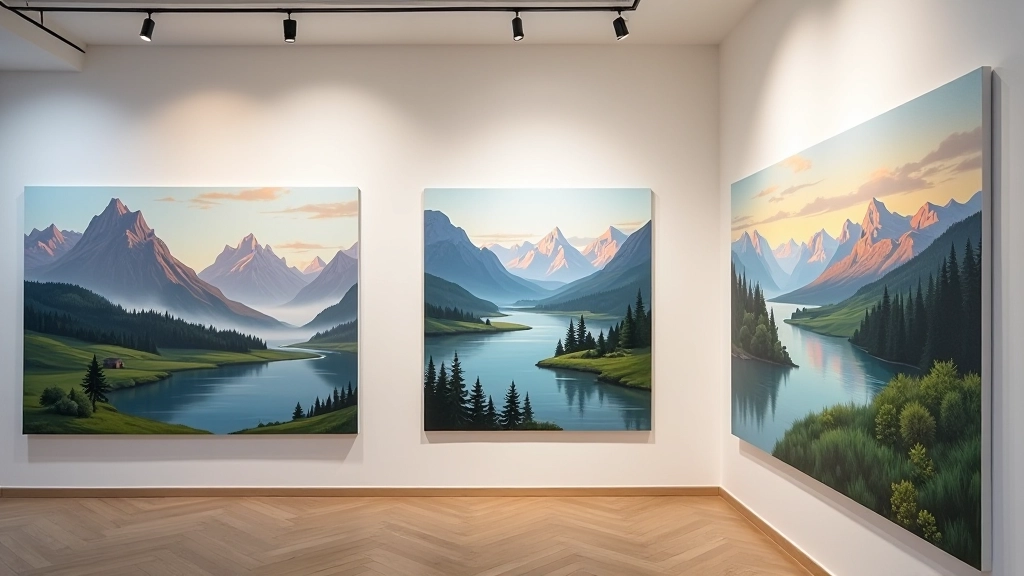
We organize seasonal mural projects that bring together local and visiting artists. It's hands-on collaboration that transforms spaces and builds community connections.
Why Murals Matter to Our Community
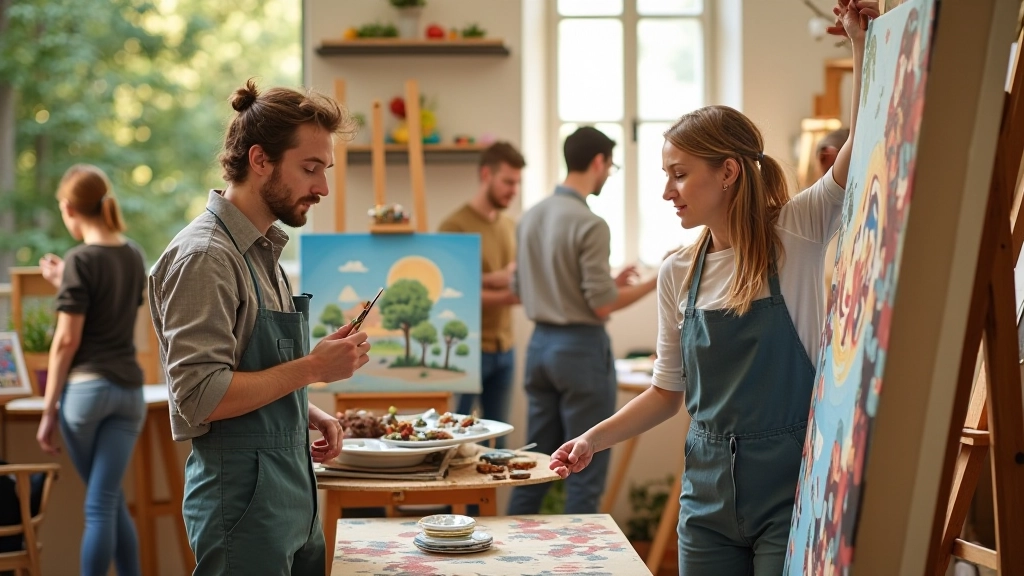
Creating murals isn't just about making walls prettier. When artists work together on something visible, something public, something that stays — it shifts how a place feels. We've watched neighborhoods change. People start conversations about the work. Kids point at details they notice. Locals feel a connection to the space because someone they might know helped paint it.
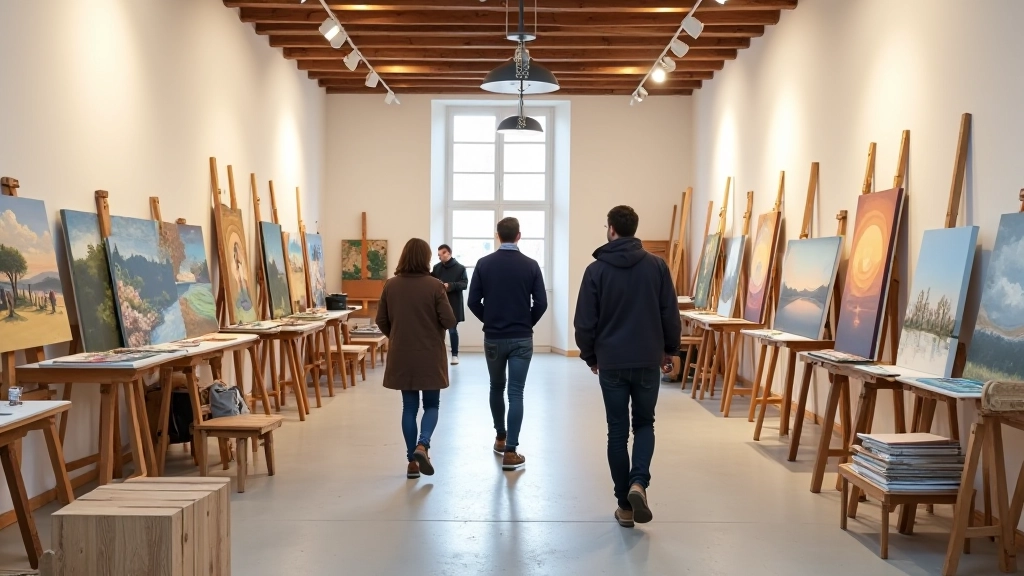
Our seasonal projects pull in painters from across the region. Some are established. Some are still finding their voice. What matters is the collaboration. You're not working alone in a studio. You're negotiating colors with a stranger, learning techniques from someone with decades of experience, and contributing to something bigger than yourself.
Our Approach
How Seasonal Projects Come Together
01
Site Selection & Concept
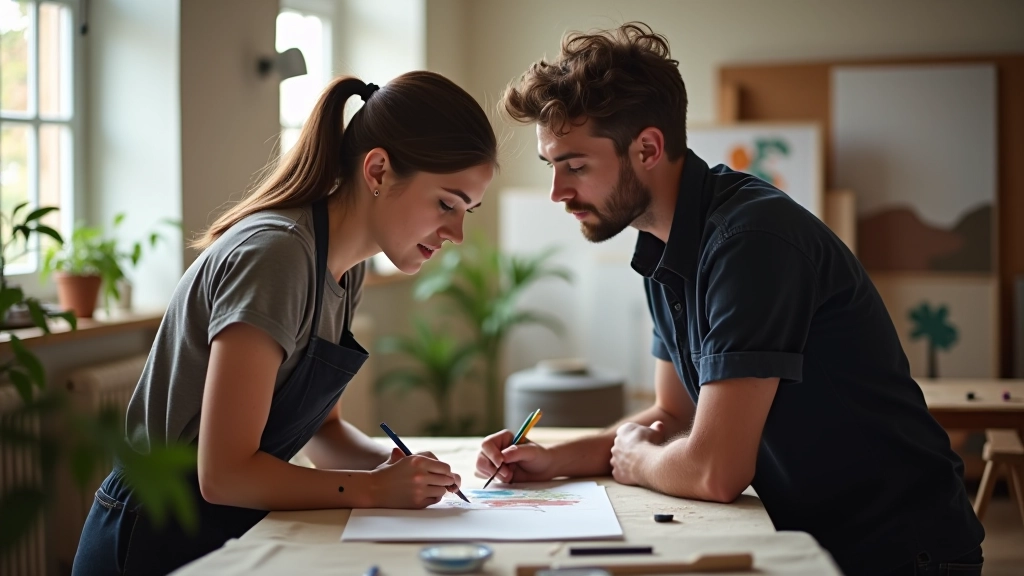
We scout locations during winter — walls that need attention, spaces that matter to the neighborhood. Then we host open concept sessions where everyone sketches ideas. There's no hierarchy. A first-time painter's vision gets equal consideration.
02
Design & Planning Phase
Selected concepts get developed into full designs. We scale them up, test color combinations, and plan the workflow. This usually takes 3-4 weeks. Everyone involved gets input on technical decisions — where seams land, how sections connect, who handles which parts.
03
Execution & Collaboration
Spring brings the actual painting. We work over 2-3 weekends depending on scale. Teams rotate through sections. Someone might handle base layers while others do detail work. It's organized chaos — there's always someone solving a problem or teaching a technique to a neighbor.
What You Actually Learn
We're not going to promise you'll become a master. But you'll definitely improve. Working at scale teaches things studio painting can't. Your arm gets tired in new ways. You discover how colors shift in natural light versus studio light. You learn to see a 40-foot wall differently than a canvas.
More importantly, you'll develop real skills working with other people. How to give feedback without bruising an ego. How to adapt your vision when it doesn't fit the wall. How to paint next to someone for eight hours and actually enjoy it. These things matter more than brush technique.
Concrete skills developed: Large-scale composition, color theory at scale, surface preparation, weather-resistant techniques, collaborative problem-solving, and time management under deadline pressure.
Practical Details for Participants
What you need to know before joining
Time Commitment
Painting happens over spring weekends — typically two Saturdays and one Sunday. Full days run 9am to 5pm with a lunch break. You don't need to attend every session. Some people come for the initial work, others join for detail phases. It's flexible.
Experience Level
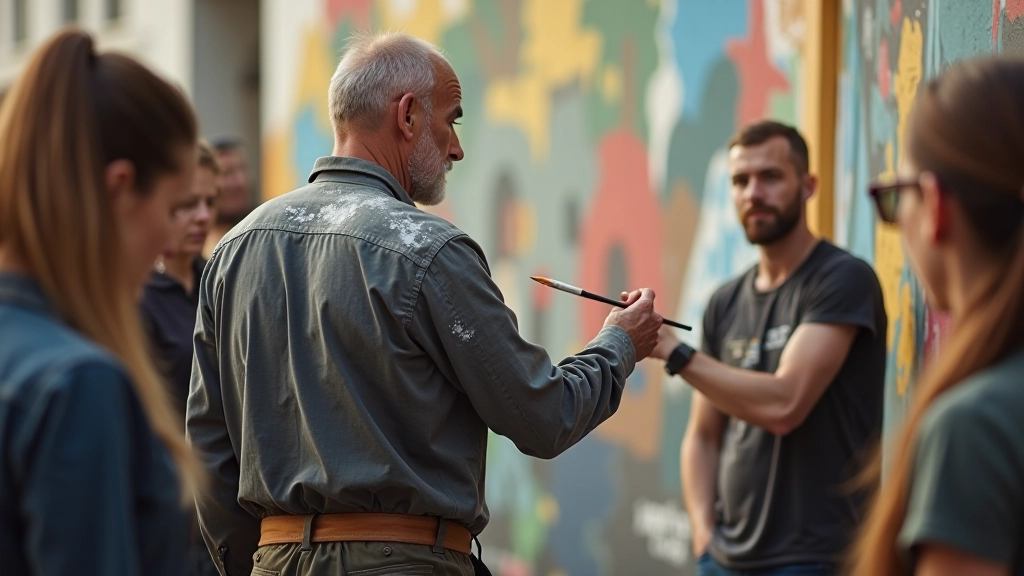
Doesn't matter. We've had professional painters working alongside people who'd never held a brush. We pair experienced folks with newer painters intentionally. The learning flows both directions — veterans discover fresh approaches from beginners asking questions.
What We Provide
All materials. Paint, brushes, rollers, drop cloths, scaffolding, protective equipment — everything. You bring yourself. Coffee and snacks appear throughout the day. We've learned that people work better when fed.
Community Aspect
You're not just painting a wall. You're meeting artists you might collaborate with later. We've had studio partnerships form from mural projects. Friendships too. People from different towns discover they work well together.
"I wasn't sure if I'd fit in — everyone seemed so much more experienced. But by the second day I was laughing with people I'd just met, and honestly the mural turned out beautiful. We've already planned the next one."
— Petra, Prague
The Lasting Impact
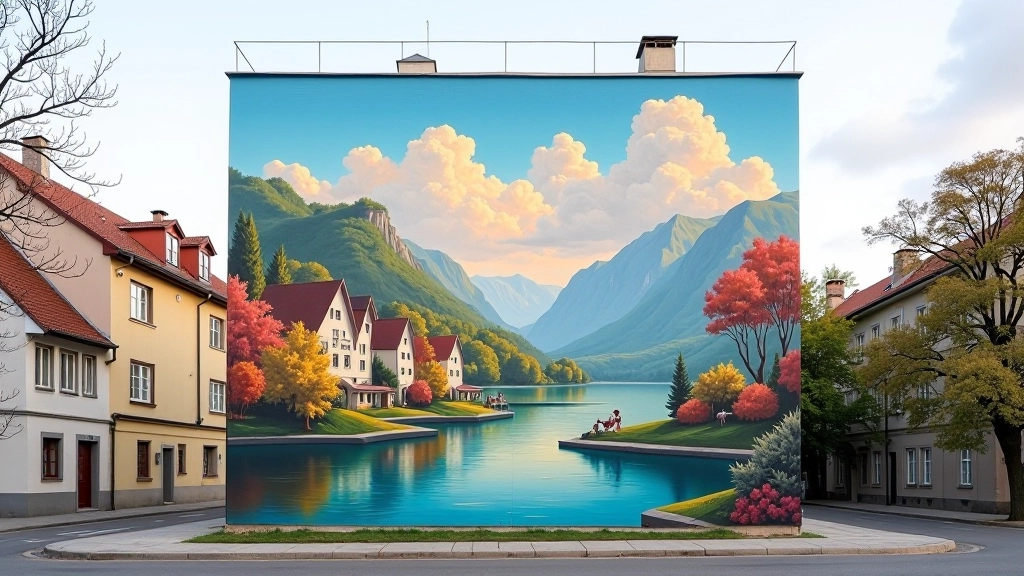
Murals stick around. That's the thing. A painting in a gallery might sell, get packed up, move to someone's living room. A mural stays. Years later you'll drive past it, notice how weather's affected the paint, maybe see where someone's added a small detail, and remember exactly who was painting which section.
We've documented our projects since 2018. Over 40 completed murals across the region. Some have been photographed for design publications. Others are just beloved by the people living nearby. We don't chase visibility — the work speaks.
What really matters is the connections. Artists who've collaborated once come back for the next project. Communities request us because they want that experience for their neighborhood. And participants discover something about themselves — that they can create something public, something permanent, something that matters.
Interested in Joining?
We announce projects each winter for spring execution. Whether you're a seasoned painter or you've never done this before, there's a place for you. Get in touch to learn about the next season's mural and how you can participate.
Send Us a MessageAbout This Guide
This article shares our approach to collaborative mural projects based on our experience since 2018. Individual projects may vary in scope, timeline, and requirements depending on location, weather, and specific community needs. We're always adapting based on what we learn. The techniques and processes described here reflect our current practice but aren't prescriptive — every mural is unique, and collaboration means being flexible.