
Landscape Collections: From Mountains to Rivers
Our current landscape collection spans seasonal changes across Czech nature. Each piece tells a story about light, perspective, and the artist's relationship with the environment.
Why Landscapes Matter
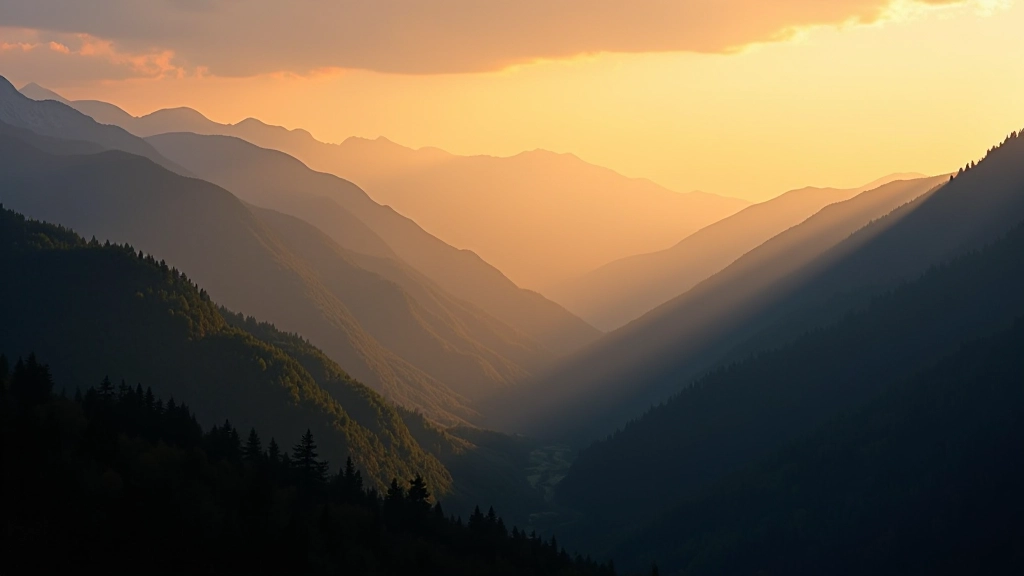
There's something about painting landscapes that forces you to really see. You're not just looking at mountains or rivers — you're studying how light moves across a valley at different times of day. How weather changes everything. How perspective shifts depending on where you stand.
Our collection focuses on Czech landscapes across all seasons. Spring growth, summer heat, autumn colors, winter silence. We've spent years working on these pieces, sometimes returning to the same location five or six times to capture different moods and lighting conditions. That's the real work — not just the painting itself, but the patience to wait for the right moment.
Our Approach to Light and Shadow
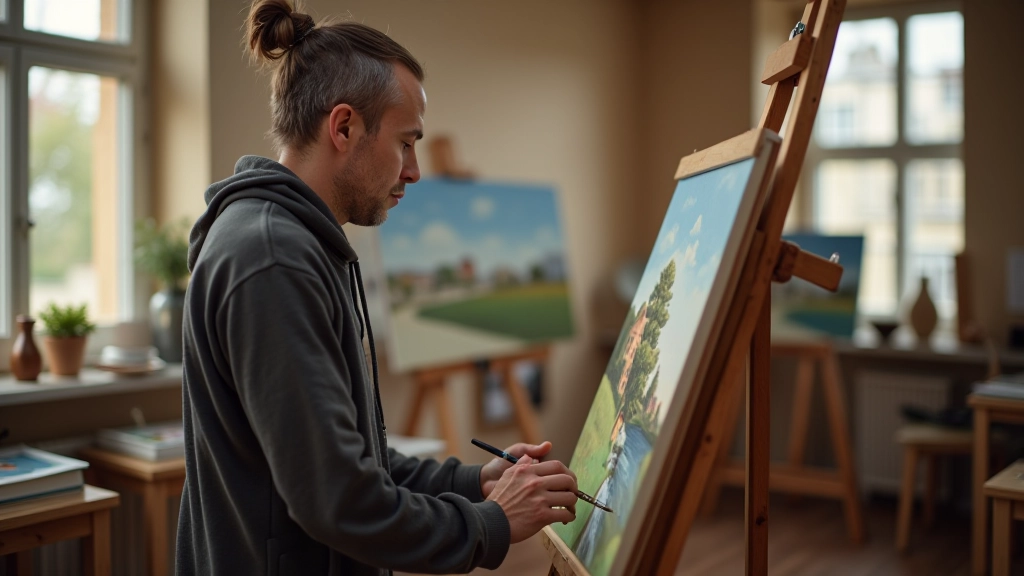
We don't work from photographs — we paint directly from observation when possible, or from detailed sketches and color studies made on-site. This changes everything about how the work develops. You're making decisions in real time about values, temperature, and composition instead of copying what a camera captured.
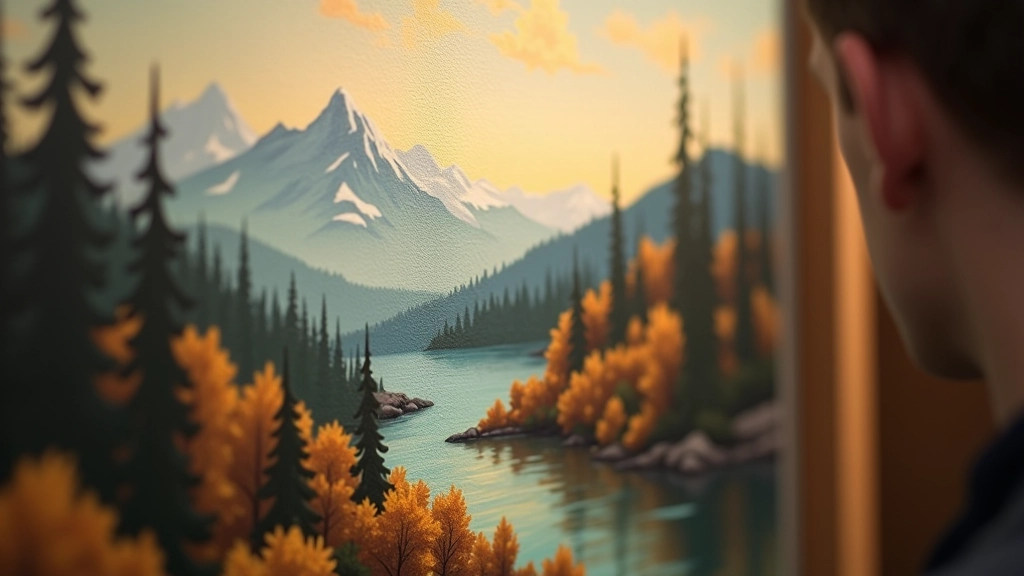
The paintings use layering techniques. We'll start with an underpainting to establish values and composition. Then gradually build up color and detail. Some pieces take three to four weeks to complete, with multiple sessions revisiting areas to adjust relationships between light and shadow.
Key technique: We use glazing methods on many pieces — thin, transparent layers of paint that allow underlying colors to show through. This creates depth that's different from blending wet paint on the canvas.
Painting Through the Seasons
Each season presents completely different challenges and opportunities for landscape work.
Spring
The valleys come alive with new growth. We're focused on capturing those fresh greens and the way light breaks through emerging leaves. Rapid changes mean working fast — sometimes a location looks completely different in just two weeks.
Summer
Strong, direct light creates dramatic shadows. The challenge isn't finding contrast — it's managing it. We work early mornings and late afternoons when the light is more interesting than the harsh midday sun.
Autumn
Color becomes the main story. Golden, orange, and red tones transform the entire landscape. It's our most popular season for painting, and we produce more pieces during these months than any other time.
Winter
Minimal color, strong structure. Snow reveals the underlying landscape — rock formations, tree shapes, terrain we don't always see. The cold is real, but the paintings often have an emotional quality that's hard to match other times of year.
Locations That Define Our Work
We've developed a relationship with specific places across the Czech landscape. Some locations we've painted dozens of times — each time finding something new in them. The Šumava mountains, the Vltava river valleys, the limestone formations of central Bohemia. We know these places through the seasons, through different weather conditions, through the way light changes throughout the day.
There's a place we return to near Český Krumlov where we've painted the same view in spring, summer, autumn, and winter. It's become a meditation — understanding how one location transforms completely while remaining itself. That kind of deep knowledge informs every piece we create.
We're not trying to create perfect landscapes. We're trying to capture what it feels like to stand in a place and experience it — the temperature, the light, the way your eye moves across the terrain. That emotional accuracy matters more to us than photographic accuracy.
Seeing the Collection
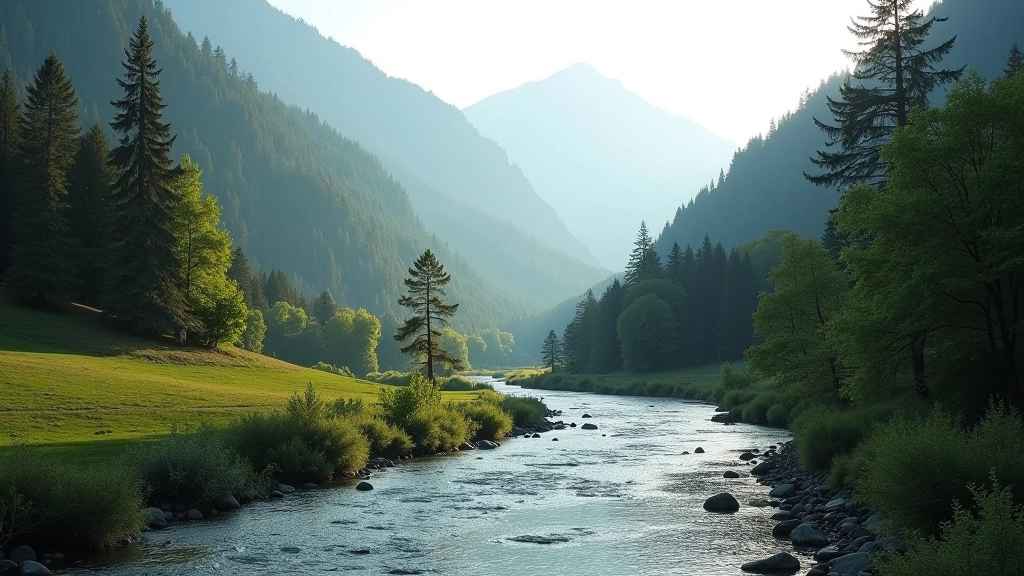
We're currently showing the landscape collection at our open exhibition hall. The paintings are organized chronologically by season — you'll walk through spring pieces first, then summer, autumn, and winter work. This arrangement helps you see how our approach evolves as the landscape changes.
During our open-studio weekends, we're usually here working while visitors walk through. You can ask questions about specific pieces, see work-in-progress studies, and understand the process behind what you're viewing. That direct interaction with visitors — getting their perspective on the work — is important to us.
We've also been collaborating with visiting artists through our artist-in-residence program. Some of these resident painters bring their own landscape traditions and techniques. Their presence influences how we think about our own work, and we've started experimenting with approaches we wouldn't have tried alone.
The Landscape as Teacher
Landscape painting teaches you patience. It teaches you to really look. Most people move through a beautiful location without seeing it — they take a photo and move on. We're forced to spend hours, sometimes days, understanding how that place works visually.
That discipline carries into everything we do. When you're painting from direct observation, you can't fake it. You can't rely on shortcuts or stylization tricks. You have to actually see what's in front of you and find a way to translate that into paint and canvas.
Want to Experience the Collection?
Visit our open exhibition hall to see these pieces in person. We're open for open-studio weekends throughout the year, and you can reach out anytime to arrange a visit or discuss commissions.
Get in Touch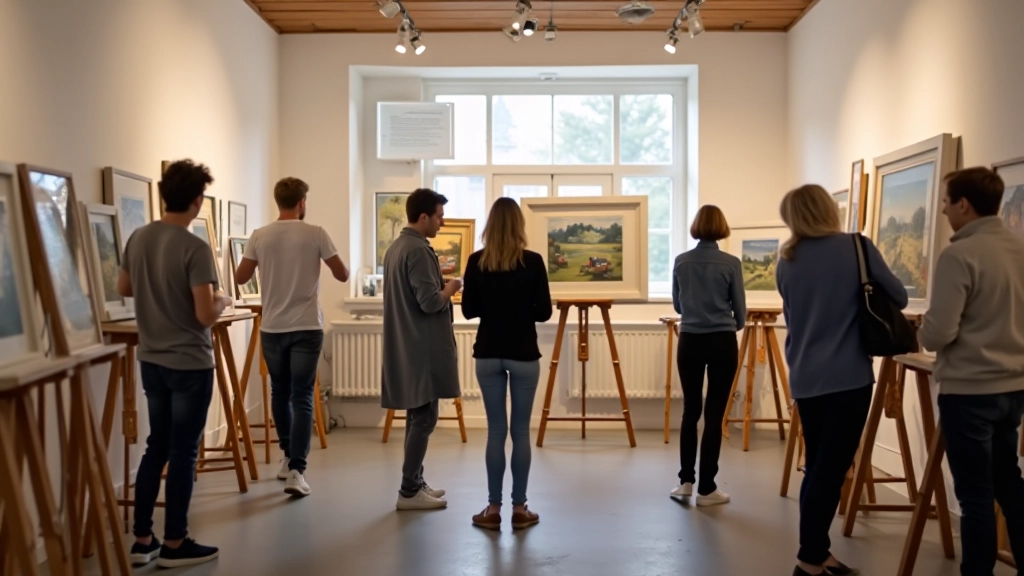
About This Article
This article describes our landscape collection and creative approach. The techniques, timelines, and methods discussed reflect our specific studio practice. Your own artistic journey may look completely different, and that's exactly how it should be. We're sharing what works for us, not prescribing the only way to approach landscape painting. If you're developing your own landscape work, the most important thing is to get outside, observe directly, and develop your own visual language.