How We Curate Landscape Collections
Our approach to selecting and displaying landscape work focuses on regional perspectives and seasonal themes. We talk about what makes a piece work in our space.
What Draws Us to a Landscape
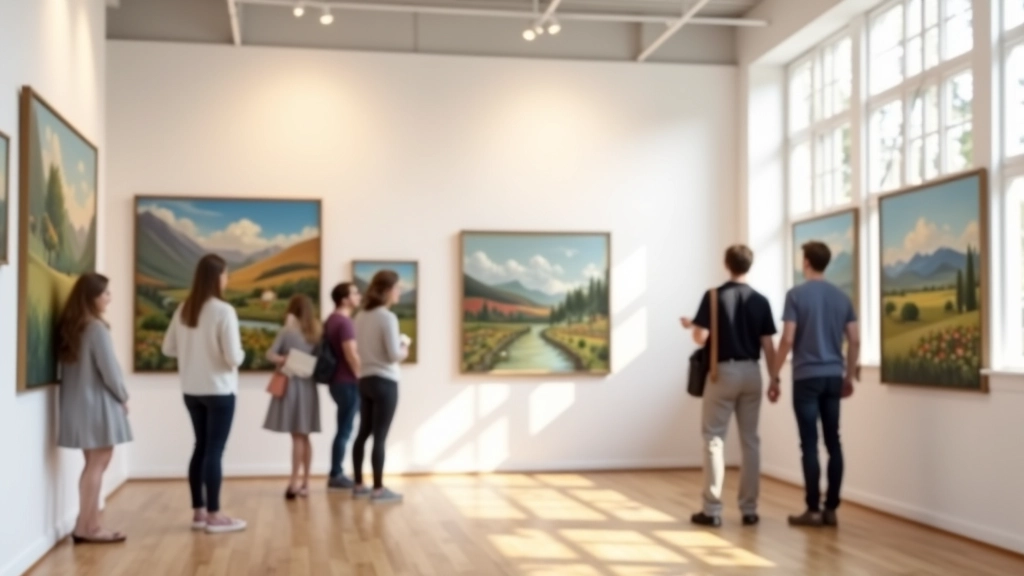
There's something about landscape work that cuts straight to the heart of what we do here. We're not just looking for pretty views or technical skill—though both matter. What we're really after is authenticity. We want pieces that tell you something about this region, about how light falls differently in autumn versus spring, about the particular way shadows move across our hills.
Every painting we hang goes through a careful selection process. It's not complicated, but it's intentional. We've been doing this since 2017, and over time we've learned what resonates with visitors and what actually fits within our gallery walls—both literally and aesthetically.
The Three Stages of Selection
Our curation isn't about following trends or playing it safe. It's about building a collection that genuinely reflects the work being created in Central Europe right now.
01
Artist Submission & Review
Artists working across the region send us portfolios—mostly digital these days, though we still get physical slides occasionally. We look at everything that comes in. The work doesn't need to be from an established name. Some of our most interesting pieces came from artists in their first or second year of serious practice.
02
Seasonal Thematic Fit
We rotate our collections roughly every 8-12 weeks, aligning with natural seasons. Winter landscapes hang November through February. Spring and summer work rotates in when the light changes. This isn't arbitrary—it's practical. A painting of snow feels different under gallery lighting than it does when actual sunlight is coming through the windows outside.
03
Wall Placement & Presentation
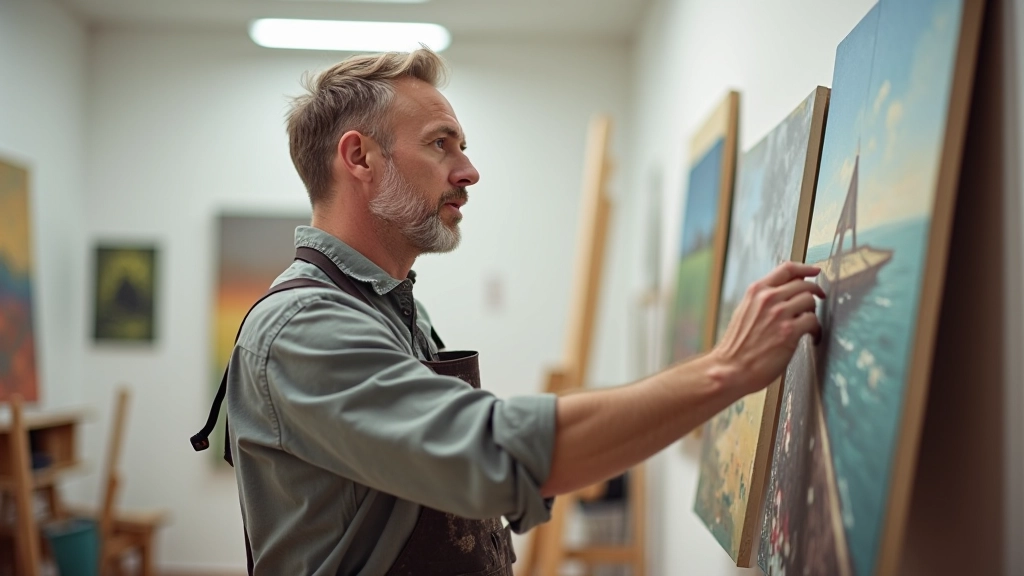
Not all walls are created equal. We have three main gallery spaces with different lighting conditions, wall colors, and viewing distances. A piece that works beautifully in our north-facing room might get lost in the brighter south gallery. We physically test placement before making final decisions.
What Actually Makes It Work
We've narrowed our selection criteria down to four key elements. Not every piece needs to check all four boxes, but strong work hits at least three.
Regional Connection
Does the work show something specific about our landscape? Recognizable places, accurate light conditions, genuine observation. We're not interested in generic "European countryside" paintings. We want work that couldn't have been painted anywhere else.
Technical Confidence
Skill matters. The artist doesn't need to be a master, but they need to know their medium and make deliberate choices. We can see when someone's still figuring out their technique versus when they've made intentional decisions about color, composition, and execution.
Visual Impact
Will it stop people when they walk in? This doesn't mean it needs to be loud or dramatic. It means it has to have presence. Some of our quietest, most subtle pieces create the strongest impact because they demand attention through genuine beauty rather than flashiness.
Conversation Value
Does the work make people want to talk about it? To linger? To ask questions? That's often what separates a competent landscape painting from one that truly belongs in our collection.
Designing the Gallery Experience
Curation doesn't stop at choosing individual pieces. It's about how they relate to each other in space. We're careful about scale—mixing very large works with smaller, more intimate paintings. We're intentional about color relationships. And we always leave breathing room. You won't find every inch of wall covered. The empty space is part of the design.
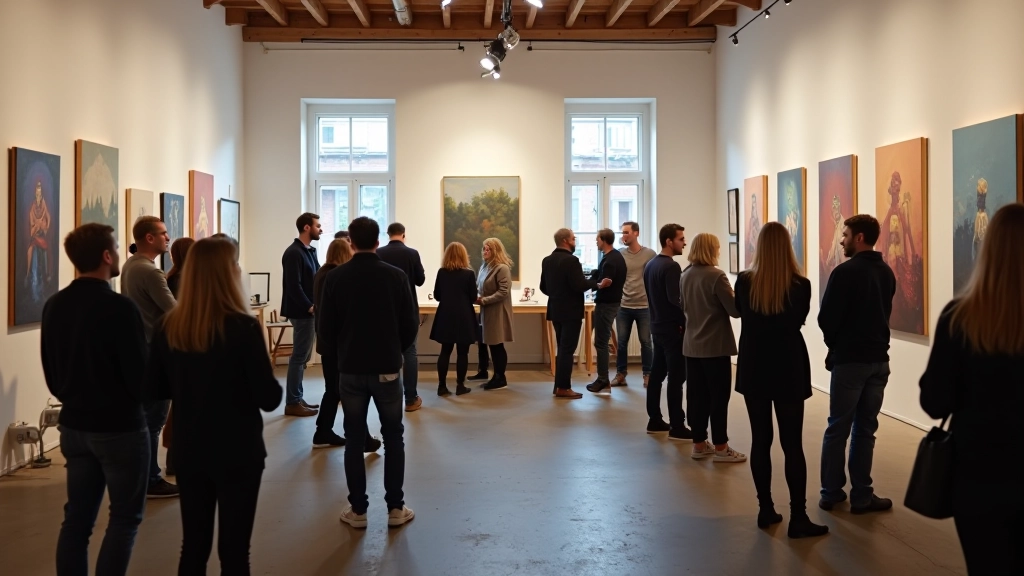
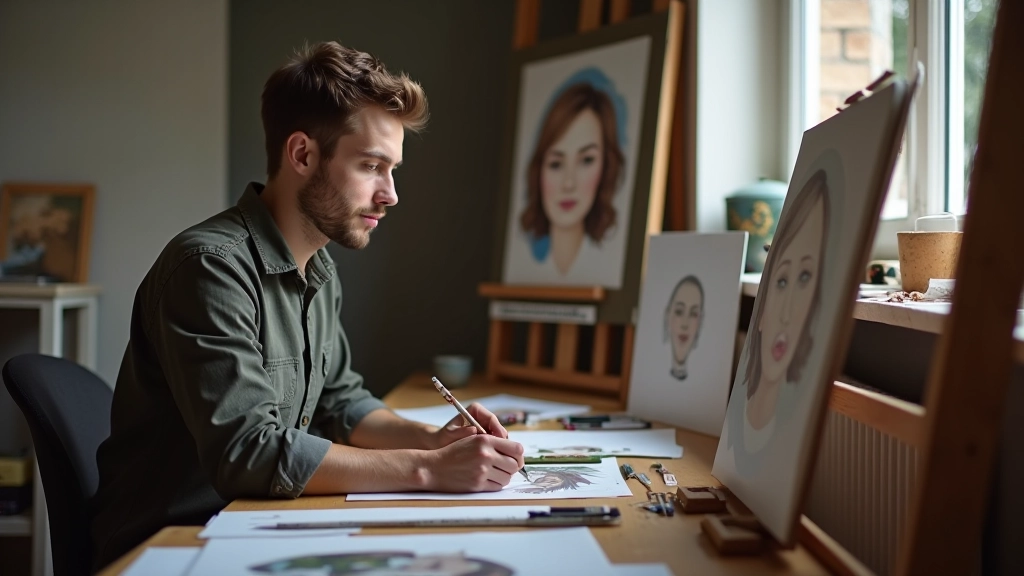
Our open-studio weekends let visitors see this process from behind the scenes. You'll meet the artists, see work in progress, and get a real sense of what goes into these decisions. We typically have 8-12 artists showing simultaneously, working across painting, drawing, and mixed media. It's chaotic in the best way—real creativity happening right in front of you.
"The first time I walked through the space I was struck by how intentional everything felt. Not sterile or pretentious, just... purposeful. Every piece had a reason for being where it was."
— Jakob, visiting artist
How Seasons Shape Our Collections
We've learned that visitor engagement changes with the seasons. Winter collections tend to draw people looking for quiet contemplation. Spring brings families and tourists. Summer is all about the open-studio weekends—chaos, energy, lots of conversations happening at once.
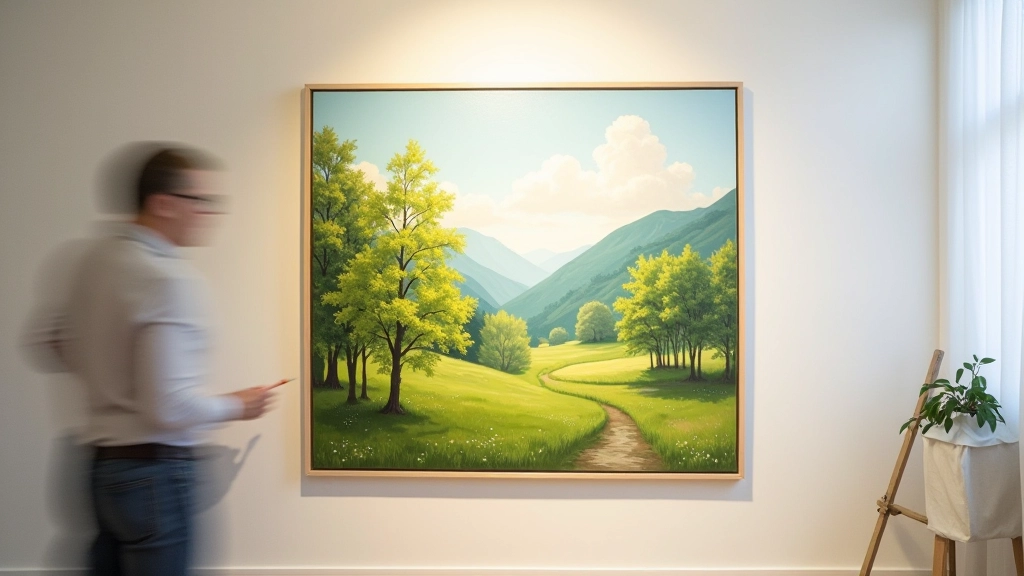
That's why we don't fight the seasons. We work with them. Right now it's early spring, so we're rotating in work that captures that particular light—those soft greens, the way the sun hits at a lower angle, the sense of things just starting to grow again. In a few months we'll shift to stronger summer palettes. By autumn we're looking for pieces that explore that incredible golden hour light that happens in September.
It keeps the space fresh for regular visitors. People who come in every month see something genuinely new, not just rearranged. And it gives us a framework for approaching artists. When we're building a summer collection, we know exactly what we're looking for—work that celebrates brightness, warmth, maybe some movement in the landscape.
The Real Work of Curation
At its heart, curation is about taste, attention, and care. It's saying "these pieces matter" and "this is how they deserve to be seen." We take that responsibility seriously. Every decision—from which work we select to where we hang it to how we light it—shapes what visitors experience.
We're building something that reflects our community and our region. The landscape paintings on our walls aren't just decoration. They're documentation of how artists see this place, right now, in this moment. That's worth doing well. That's worth the careful thought and the occasional heated discussion about whether a particular piece really belongs.
If you're interested in seeing the process yourself, we host open-studio weekends quarterly. You'll see the work, meet the artists, and understand why we care about getting these decisions right.
About This Article
This article describes our approach to landscape curation at our studio and exhibition space. The processes, timelines, and selection criteria mentioned reflect our specific context and methods. Every artist and gallery operates differently. If you're developing your own curation practice or exhibition space, we'd encourage you to develop systems that fit your unique circumstances, community, and artistic vision.
Related Articles